Source Sweet Sour Dried Cherry Tomato for Snacks, Baking, and Beverages
Compare 26 listings for sweet sour dried cherry tomato from Chinese suppliers. Options include syrup-preserved, sugar-added, and dehydrated varieties with varying moisture and packing sizes to suit your procurement needs; compare the available evidence and request quotations based on your requirements.
Key considerations
Products List







Comprehensive Sourcing Guide
Sweet Sour Dried Cherry Tomato Sourcing Guide
Procuring sweet sour dried cherry tomatoes requires careful attention to the specific drying and preservation methods used by manufacturers, as these processes directly dictate the final texture and flavor profile. Buyers must verify whether the product utilizes air drying or specific dehydration techniques, noting that observed listings indicate a drying process labeled as AD, which often implies air drying or a specific industrial standard. The presence of added sugar and citric acid in the preservation process suggests a formulation designed to balance natural sweetness with a distinct tartness, creating a unique sensory experience for end consumers.
When evaluating potential suppliers, it is essential to distinguish between products that rely on natural fruit sugars and those that incorporate significant added sweeteners or preservatives like sulfur dioxide. The observed moisture content ranges from 10% to 18%, a critical variable that affects shelf stability and the risk of microbial growth during storage. Buyers should prioritize suppliers who can clearly demonstrate their control over these moisture levels and the specific ratio of citric acid to sugar, ensuring the final product meets the desired sweet-sour balance without compromising safety or texture.
Product Scope and Observed Listing Signals
The market for dried cherry tomatoes presents a diverse range of product models, from standard "cherry tomato" listings to specific variations like "ALC-cherry tomato" or "New crop dried tomato cherry." These variations often signal differences in the harvest season, the specific cultivar used, or the intended market segment, such as premium retail versus bulk food service. Observations indicate that some listings specify "Light Halves" or "Extra Lh" quality grades, which suggests that buyers must define their preferred physical form, whether they require whole dried fruits, halves, or specific size classifications like small or big sizes.
Packaging and origin data provide further insight into the product scope, with listings showing origins in regions like Xinjiang, Yunnan, Shandong, and Hainan, each potentially offering distinct flavor profiles due to local climate conditions. Packaging formats vary significantly, ranging from 10kg or 12.5kg cartons to plastic bags and custom requests, indicating that flexibility in logistics is a key feature of this category. Buyers should note that some listings mention "tea" content or "all kinds of dried fruits," which may imply mixed SKUs or specific blending capabilities that could be relevant for custom procurement strategies.
Technical Specifications to Verify
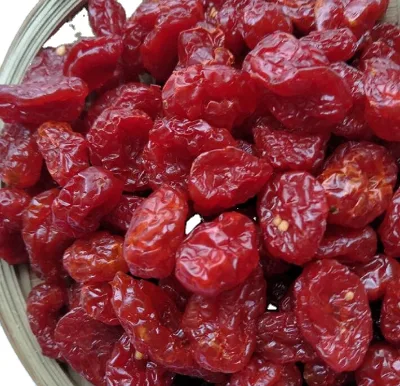
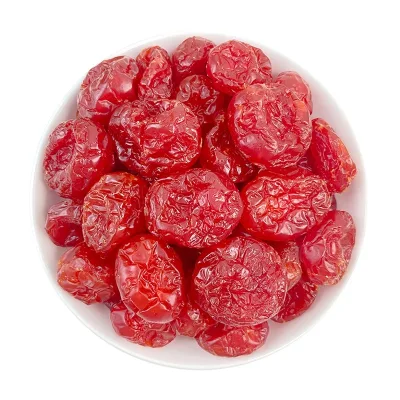
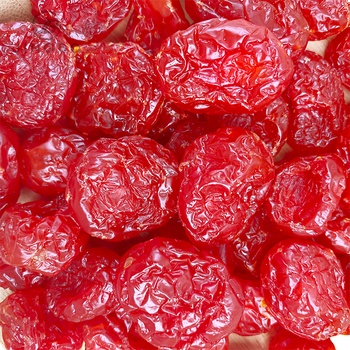
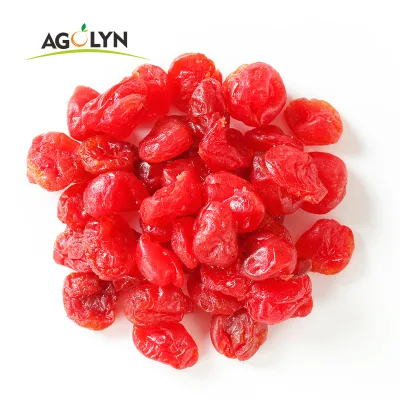
Technical verification must begin with the nutrient composition and physical attributes, as observed data lists vitamins, proteins, minerals, and amino acids as key components. The shape of the dried fruit is a critical specification, with listings noting "indehiscent" forms alongside "cracking" characteristics, which directly impacts the visual appeal and structural integrity of the final product. Buyers need to confirm whether the drying process preserves the natural shape or intentionally induces cracking, as this affects the texture and how the product is perceived in culinary applications.
Moisture content and chemical composition are equally vital for quality assurance, with observed ranges indicating moisture levels between 10% and 18% and sulfur dioxide levels capped at 600ppm or 2000ppm maximum. The total sugar content is typically observed between 50% and 65%, while citric acid is maintained at 0.3% to 0.5%, creating the characteristic sweet-sour profile. Procurement teams must verify that these chemical parameters are consistent across batches, as deviations can alter the taste balance and potentially affect the product's compliance with international food safety standards regarding preservative limits.
Compliance and Safety Documentation
Safety documentation for dried cherry tomatoes must address the specific use of preservatives like sulfur dioxide and citric acid, which are listed as standard components in many product specifications. Buyers should request detailed certificates of analysis that explicitly confirm the sulfur dioxide levels do not exceed the maximum thresholds of 600ppm or 2000ppm, depending on the target market regulations. It is crucial to verify that the supplier adheres to the stated standards for cherry tomatoes, ensuring that the chemical composition aligns with both the product description and the regulatory requirements of the importing country.
Storage and shelf-life documentation are also essential, as observed listings indicate a shelf life of 12 months when stored at room temperature, though some entries suggest low-temperature or shade storage requirements. Procurement teams must ensure that the supplier provides clear guidelines on storage conditions to prevent quality degradation, such as moisture absorption or color fading, which could compromise the bright red appearance of the fruit. Additionally, verifying the origin of the raw materials, whether from Shandong, Xinjiang, or other regions, helps in tracing the supply chain and ensuring that agricultural practices meet the necessary safety and quality benchmarks.
Cost Drivers and Commercial Terms
Cost drivers in this category are heavily influenced by the drying process, the specific cultivar used, and the complexity of the preservation formulation involving sugar and citric acid. The observed price range of 2.3 to 5000 USD suggests a wide variance based on quality grades, packaging specifications, and order volumes, with higher prices likely associated with premium "Perfect Quality" or "New crop" designations. Buyers should analyze the cost per unit relative to the moisture content and sugar levels, as these factors directly impact the weight and value of the final product delivered.
Commercial terms such as Minimum Order Quantity (MOQ) and shipping methods are critical variables, with observed MOQs ranging from 1 to 10,000 units and shipping typically conducted via container. The flexibility of packaging, including options for 10kg or 12.5kg cartons, allows buyers to optimize logistics costs based on their specific distribution needs. However, the variability in origin locations, from China to specific provinces like Hainan, may introduce differences in freight costs and lead times, requiring careful negotiation to balance price competitiveness with reliable delivery schedules.
Supplier Qualification and Quality Control
Supplier qualification should focus on the ability to maintain consistent quality grades, such as "Light Halves" or "Extra Lh," and to adhere to the specified drying and preservation processes. Buyers must assess the supplier's capacity to manage the "cracking" or "indehiscent" shape characteristics consistently, as these physical attributes are key differentiators in the market. It is also important to verify the supplier's track record in handling the specific nutrient composition, ensuring that the levels of vitamins, minerals, and amino acids remain stable throughout the production cycle.
Quality control protocols must include rigorous testing for moisture content, sulfur dioxide levels, and sugar ratios to ensure they fall within the observed ranges of 10-18% moisture and 50-65% total sugar. Suppliers should demonstrate a robust system for batch-to-batch consistency, particularly regarding the color, which is described as "bright red," and the taste profile, which must balance sweetness with sourness. Buyers should request evidence of quality control measures, such as third-party testing reports or internal audit results, to confirm that the supplier can consistently deliver products that meet the defined technical specifications.
Long-Term Procurement Checks
Long-term procurement strategies for sweet sour dried cherry tomatoes require ongoing monitoring of supply chain stability and the consistency of product attributes over time. Buyers should establish regular review cycles to verify that the supplier continues to meet the specified standards for moisture, sugar content, and preservative levels, as these parameters can drift due to changes in raw material sourcing or processing conditions. Maintaining a close relationship with the supplier is essential to ensure that the "New crop" designations and specific origin claims remain accurate and that the product quality does not degrade over the 12-month shelf life.
Additionally, buyers must stay informed about evolving regulatory requirements regarding sulfur dioxide and other preservatives, as these standards can change and impact the compliance of existing stock. It is advisable to conduct periodic audits of the supplier's facilities to ensure that the drying and preservation processes remain aligned with the agreed-upon specifications. By proactively managing these long-term checks, buyers can mitigate risks associated with supply disruptions, quality inconsistencies, and regulatory non-compliance, ensuring a steady flow of high-quality sweet sour dried cherry tomatoes for their operations.
FAQs
What specifications should buyers confirm for sweet sour dried cherry tomato?
Confirm total sugar content, moisture, SO2 level, and citric acid range before ordering. Listed products typically show 50%-65% total sugar, 14-18% moisture, SO2 at 600ppm or 2000ppm max, and 0.3-0.5% citric acid. Sweetness, bright red color, and processing in syrup with AD drying are common attributes. Request a recent specification sheet and sample to verify the values match your market requirements.
What packaging options are available for dried cherry tomato orders?
Standard export packing is 10kg or 12.5kg per carton, with some listings using 12.5kgs as four bags per carton or plastic bag inner packing. Cartons are the usual outer packaging, and customization is available, so buyers can request packing adjusted to their requirements. Confirm inner bag material, carton labeling, and shipping marks with the supplier before production starts to avoid delays.
How should sweet sour dried cherry tomato be stored and how long does it keep?
Most listings state a 12-month shelf life when stored correctly. Storage guidance varies by product: room temperature, low temperature, or shade storage are all mentioned, so follow the supplier's recommendation for the specific grade. Keep cartons sealed, away from direct sunlight and strong odors, and rotate stock on a first-in, first-out basis. Confirm storage conditions in writing since sugared dried fruit can darken or harden if mishandled.
Where is dried cherry tomato sourced from and does origin affect quality?
Listed origins include China generally, with Xinjiang, Yunnan, and Shandong appearing as production regions, and one Hainan-based listing. Origin can influence flavor, color, and size consistency because growing climates differ. Ask which region your batch comes from, since suppliers may blend material. Request samples from each origin offered so you can compare sweetness, color, and texture before committing to volume.
Can sweet sour dried cherry tomato be customized for private label buyers?
Yes, customization is listed as available. Buyers can typically adjust packing format, carton weight, labeling, and possibly sugar levels or sizes, since small and big sizes are mentioned as a standard. Provide your specification, artwork, and target packing early so the supplier can confirm feasibility and cost. Agree on samples and a written specification before mass production to ensure the final product matches your brand requirements.
How is dried cherry tomato shipped and what quantities can buyers order?
Sea container shipping is the listed method, which suits full carton loads of 10kg or 12.5kg cartons. Observed minimum order quantities vary widely across listings, from 1 carton for trial orders up to 10,000 units for bulk buyers, so confirm MOQ directly with each supplier. Small trial orders let you evaluate quality before scaling. Ask about mixed load options if you need other dried fruits in the same container.